SAVED
File name .JPG
File alt. text
Image should be px wide x px tall.
Select Image
home - Nutrition - Minerals - Selenium Written by Dr Sebastian Zeki

Selenium

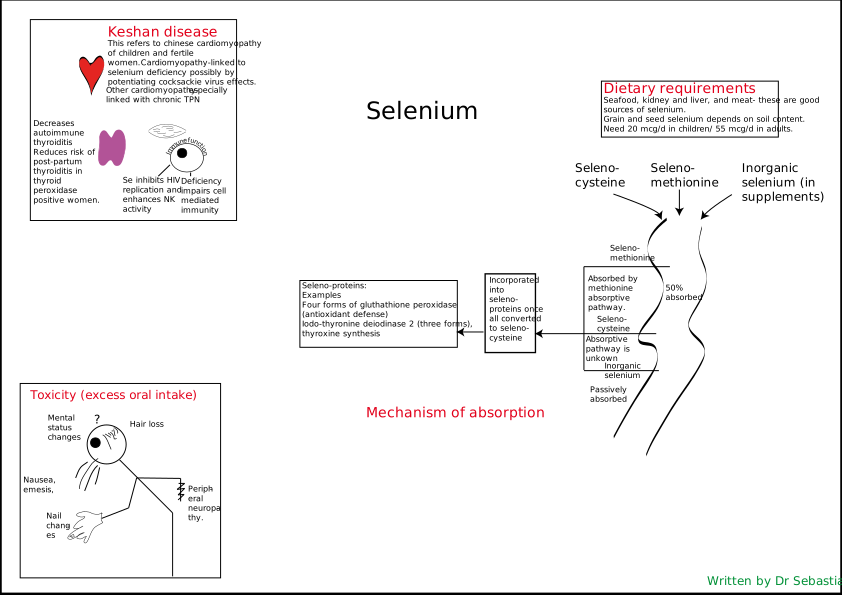
Seleno-methionine Absorbed by methionine absorptive pathway. Seleno-cysteine Absorptive pathway is unkown Passively absorbed Inorganic selenium Incorporated into seleno-proteins once all converted to seleno-cysteine 50% absorbed Seleno-proteins:ExamplesFour forms of gluthathione peroxidase (antioxidant defense)Iodo-thyronine deiodinase 2 (three forms), thyroxine synthesis Dietary requirementsSeafood, kidney and liver, and meat- these are good sources of selenium.Grain and seed selenium depends on soil content.Need 20 mcg/d in children/ 55 mcg/d in adults. Inorganic selenium (in supplements) Seleno-methionine Seleno-cysteine Keshan diseaseThis refers to chinese cardiomyopathy of children and fertile women.Cardiomyopathy-linked to selenium deficiency possibly by potentiating cocksackie virus effects. Immune function Se inhibits HIV replication and enhances NK activity Deficiency impairs cell mediated immunity Decreases autoimmune thyroiditisReduces risk of post-partum thyroiditis in thyroid peroxidase positive women. Toxicity (excess oral intake) ? Periph-eral neuropa-thy. Hair loss Selenium Nail chang-es Nausea, emesis, Mental status changes Mechanism of absorption Other cardiomyopathy- especially linked with chronic TPN Written by Dr Sebastian Zeki

Related Stories

Effects of boron and dicalcium phosphate supplementation on wool-biting behavior and metabolic indicators in lactating Akkaraman sheep

Effect of a food-nutritional intervention on hemoglobin and anemia in children and adolescents - A quasi-experimental study

Improving nutritional composition index of seeds of common bean lines

Caste-specific nutritional signatures: Comparative physicochemical characterization of royal, worker, and drone jelly and larvae across developmental stages in Apis mellifera L

Risk factors of postoperative complications in elderly patients with fragile hip fractures and their influence on postoperative mobility