SAVED
File name .JPG
File alt. text
Image should be px wide x px tall.
Select Image
home - Miscellaneous - Infection - GI AIDS Written by Dr Sebastian Zeki

GI AIDS

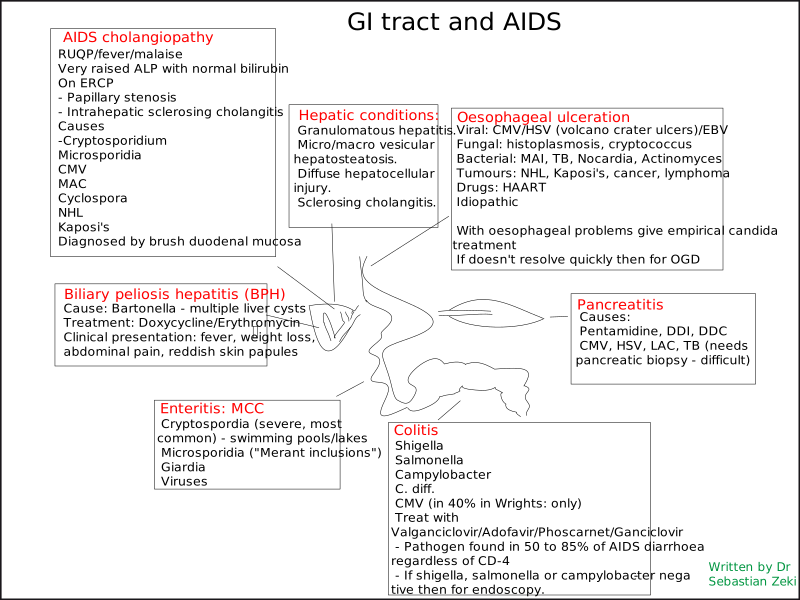
RUQP/fever/malaise Very raised ALP with normal bilirubin On ERCP - Papillary stenosis - Intrahepatic sclerosing cholangitis Causes -Cryptosporidium Microsporidia CMV MAC Cyclospora NHL Kaposi's Diagnosed by brush duodenal mucosa Cryptospordia (severe, most common) - swimming pools/lakes Microsporidia ("Merant inclusions") Giardia Viruses Causes: Pentamidine, DDI, DDC CMV, HSV, LAC, TB (needs pancreatic biopsy - difficult) Hepatic conditions: Granulomatous hepatitis. Micro/macro vesicular hepatosteatosis. Diffuse hepatocellular injury. Sclerosing cholangitis. Shigella Salmonella Campylobacter C. diff. CMV (in 40% in Wrights: only) Treat with Valganciclovir/Adofavir/Phoscarnet/Ganciclovir - Pathogen found in 50 to 85% of AIDS diarrhoea regardless of CD-4 - If shigella, salmonella or campylobacter nega-tive then for endoscopy. Cause: Bartonella - multiple liver cysts Treatment: Doxycycline/Erythromycin Clinical presentation: fever, weight loss, abdominal pain, reddish skin papules Viral: CMV/HSV (volcano crater ulcers)/EBV Fungal: histoplasmosis, cryptococcus Bacterial: MAI, TB, Nocardia, Actinomyces Tumours: NHL, Kaposi's, cancer, lymphoma Drugs: HAART Idiopathic With oesophageal problems give empirical candida treatment If doesn't resolve quickly then for OGD GI tract and AIDS AIDS cholangiopathy Biliary peliosis hepatitis (BPH) Enteritis: MCC Colitis Pancreatitis Oesophageal ulceration Written by Dr Sebastian Zeki

Related Stories

Molecular surveillance of coronaviruses in livestock in northern Vietnam

Optimal Timing for Expander to Implant Exchange After Postmastectomy Radiation Therapy

COVID-19-Induced GI Vascular Abnormalities: Beyond Fatigue and Lungs

Molecular epidemiology of Dientamoeba fragilis coinfections with Blastocystis sp. and Giardia duodenalis in symptomatic patients from Valencia, Spain

Impact of GI PCR Versus Stool Culture on Clinical Outcomes in Hospitalized Patients: A Retrospective Cohort Study