SAVED
File name .JPG
File alt. text
Image should be px wide x px tall.
Select Image
home - Colon - Various Colitides - Typhlitis Written by Dr Sebastian Zeki

Typhlitis

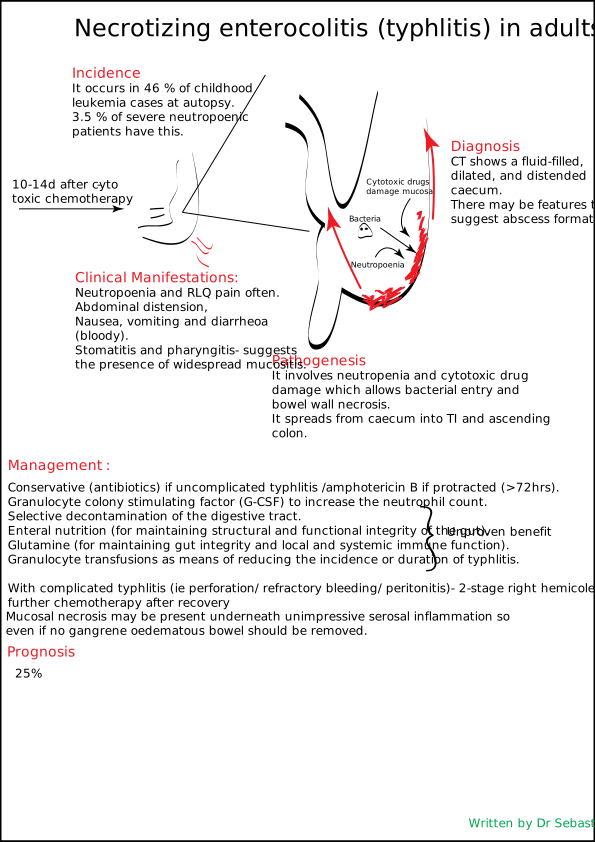
Management :Conservative (antibiotics) if uncomplicated typhlitis /amphotericin B if protracted (>72hrs).Granulocyte colony stimulating factor (G-CSF) to increase the neutrophil count.Selective decontamination of the digestive tract.Enteral nutrition (for maintaining structural and functional integrity of the gut).Glutamine (for maintaining gut integrity and local and systemic immune function).Granulocyte transfusions as means of reducing the incidence or duration of typhlitis.With complicated typhlitis (ie perforation/ refractory bleeding/ peritonitis)- 2-stage right hemicolectomy with further chemotherapy after recovery IncidenceIt occurs in 46 % of childhood leukemia cases at autopsy.3.5 % of severe neutropoenic patients have this. Pathogenesis It involves neutropenia and cytotoxic drug damage which allows bacterial entry and bowel wall necrosis.It spreads from caecum into TI and ascending colon. 10-14d after cyto-toxic chemotherapy Clinical Manifestations:Neutropoenia and RLQ pain often.Abdominal distension,Nausea, vomiting and diarrheoa (bloody).Stomatitis and pharyngitis- suggests the presence of widespread mucositis. Cytotoxic drugs damage mucosa Neutropoenia Bacteria DiagnosisCT shows a fluid-filled, dilated, and distended caecum.There may be features to suggest abscess formation. Necrotizing enterocolitis (typhlitis) in adults Unproven benefit Mucosal necrosis may be present underneath unimpressive serosal inflammation so even if no gangrene oedematous bowel should be removed. Prognosis Written by Dr Sebastian Zeki 25%

Related Stories

The mechanosensitive ion channel Piezo1 promotes colitis by modulating oxidative stress and ferroptosis-related markers

Nanospatially confined ROS eliminator produced in situ by engineered Escherichia coli Nissle 1917 for oral treatment of inflammatory bowel disease

Gut pathogen Clostridium symbiosum rewires macrophage succinylation to drive enteric neuron loss in inflammatory bowel disease

Dietary N-acetylneuraminic acid maintains intestinal homeostasis and protects against aging- and inflammation-associated colonic dysfunction

A modular platform for Sterically Masked Activated Cytokines (SMACks)